Garden Makeovers in Soho: Practical, Stylish Outdoor Spaces for Local Homes and Businesses
Soho is known for energy, creativity, and a pace of life that rarely stands still. In an area where every square metre matters, outdoor space has to work harder than it does elsewhere. Whether you have a compact courtyard behind a townhouse, a shared roof terrace, a narrow patio, or a small frontage that needs a smarter finish, garden makeovers in Soho can turn overlooked outdoor areas into places that are attractive, usable, and much easier to maintain.
For many local property owners, the aim is not to create a sprawling country garden. It is to make the most of limited space with thoughtful design, tidy finishes, practical materials, and planting that suits the light, shade, and access conditions common in central London. A well-planned outdoor makeover can change how a space feels every day: calmer, cleaner, more private, and far more inviting.
Local demand comes from a mix of residential and commercial customers. In Soho, that often means residents in apartments or converted buildings, landlords improving outdoor appeal between tenancies, hospitality venues refreshing courtyards or entrances, and offices wanting a better space for staff or visitors. Because the area is busy and access can be tight, working with a local team that understands Soho’s realities can save time and reduce hassle from the start.
Why Garden Makeovers Suit Soho Properties

Outdoor spaces in Soho are often compact, partially shaded, or shaped by existing walls, upper floors, and neighbouring buildings. That means a one-size-fits-all approach rarely delivers the best result. A good makeover starts with understanding what the space is actually for. Some customers want a peaceful escape from the surrounding noise; others need a stylish entertaining area, a lower-maintenance planting scheme, or a cleaner, more professional look for guests and clients.
Because properties in Soho vary so much, from period buildings and mews-style settings nearby to modern apartments and mixed-use premises, it helps to use materials and layouts that feel appropriate to the building itself. A carefully designed small space can feel larger, brighter, and more balanced. The right surfaces, planters, lighting, and planting structure can make a major difference without needing extensive construction.
Garden makeovers in Soho are also about practicality. When access is restricted, materials may need to be brought through shared entrances or lifted in smaller loads. When parking is limited, planning deliveries becomes part of the job. When neighbours are close by, dust, waste removal, and working hours may all need careful consideration. A local service that already works in central London is better placed to handle these issues smoothly.
What a Garden Makeover Can Include
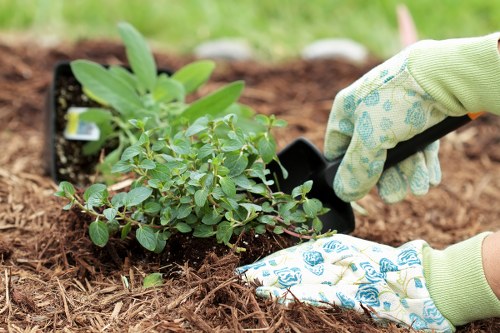
A makeover can be as small or as ambitious as the property allows. Some projects focus on tidying, repairing, and refreshing the existing layout. Others involve a fuller redesign with new surfaces, planting, storage, seating, and lighting. The goal is to create a space that suits how you actually live or work.
Typical elements may include:
- Clearing overgrown or tired areas
- Replacing worn turf with easier-care alternatives
- Redesigning planters and raised beds
- Installing new paving, decking, or decorative surfacing
- Refreshing fences, screens, trellis, or boundary treatments
- Adding outdoor lighting for atmosphere and safety
- Improving drainage and dealing with water pooling
- Choosing plants that suit shade, wind, and limited soil depth
- Creating seating or social areas for relaxing or entertaining
- Putting storage solutions in place to keep clutter out of sight
For commercial customers, the scope often includes entrance improvements, planter arrangements, smarter bin-store screening, and outdoor areas that feel more polished to staff and visitors. For residential customers, the emphasis may be on privacy, easy care, and creating a welcoming place that is pleasant to use in the evening or at weekends.
Designing for Small and Challenging Spaces
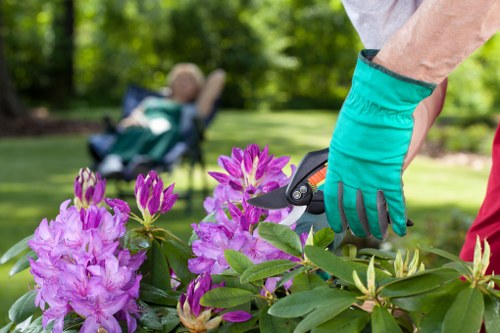
In Soho, outdoor areas are often smaller than people expect, which makes the design stage especially important. Every decision influences how spacious, comfortable, and functional the finished area feels. The best results usually come from keeping the design simple, well-structured, and proportionate to the space.
A narrow courtyard, for example, may benefit from continuous lines, pale materials, and vertical planting to draw the eye upward. A roof terrace might need lightweight planters, wind-tolerant planting, and surfaces that are suitable for the existing structure. A shaded garden may need a planting scheme based on foliage texture rather than flowers alone. A bright, south-facing space may need drought-resistant planting and materials that do not become too hot in direct sun.
Good design is not about adding as much as possible. It is about choosing the right balance of structure, planting, and open space so the garden feels usable rather than crowded. In dense central London locations, that balance can be the difference between a space that looks decorative and a space that genuinely improves day-to-day living.
Careful planning also helps avoid future problems. For example, poor drainage can damage surfaces and cause moss or standing water. Unsuitable planting can struggle in shade or get damaged by wind. Heavy materials may not be practical where access is restricted. A local team familiar with these issues can recommend options that are more likely to work long term.
Garden Makeovers for Residential Customers in Soho
Homeowners and tenants in Soho often want outdoor spaces that feel private, calm, and easy to enjoy. When indoor living space is limited, the garden or terrace becomes an extension of the home. That makes appearance, comfort, and usability especially important.
Residential makeovers can help with a wide range of needs. Some customers want to replace a tired, unused corner with a cleaner layout and better planting. Others want an outdoor dining area, a greener outlook from the windows, or a space that is easier to keep tidy throughout the year. Even a modest change can make a big difference to how a flat or townhouse feels.
Common residential priorities include:
- Creating more privacy from neighbouring buildings
- Making a small space look larger and more open
- Reducing maintenance and seasonal upkeep
- Improving drainage and surface safety
- Adding year-round interest with suitable planting
- Making the area more comfortable for seating and dining
In shared or multi-occupancy buildings, it is often important to work with existing access arrangements and respect communal rules. A local service used to central London properties can help ensure the project runs in a way that is practical for residents and considerate of neighbours.
Garden Makeovers for Commercial Premises

Soho is home to restaurants, bars, studios, offices, hotels, and a wide mix of commercial properties. For these businesses, outdoor areas are more than just decoration. They can influence first impressions, support staff wellbeing, and make the overall setting feel more polished and intentional.
Commercial garden makeovers often focus on durable finishes, easy maintenance, and a tidy appearance that holds up well in a busy environment. This might include fresh planters, smarter screening, improved entrance planting, better routes for visitors, or a courtyard layout that supports seating and hospitality use. For offices, even a small outdoor area can be transformed into a more attractive break space.
In a district like Soho, where clients and visitors can notice details quickly, a well-presented exterior matters. Clean lines, coordinated materials, and healthy planting help create a professional impression. At the same time, the practical side matters too: surfaces should be easy to clean, plants should be suited to local conditions, and the layout should support regular use without becoming difficult to manage.
Where access is constrained, scheduling and logistics need to be handled carefully. Deliveries may have to fit around opening hours, neighbour considerations, and building access. A local team can plan the work in a way that keeps disruption manageable while still delivering a strong finish.
How the Service Typically Works
Every property is different, but a structured process helps keep the project clear and manageable. For many customers, especially those arranging a makeover for the first time, knowing what happens next is reassuring.
- Initial discussion – You explain what you want to improve, how you use the space, and what problems you would like solved.
- Site visit or assessment – The existing area is reviewed, including size, access, light, drainage, and any limitations.
- Design and recommendations – Suitable layout ideas, planting options, and materials are discussed based on the space and your goals.
- Quotation and scope – You receive a clear outline of the work being proposed so you can decide how to proceed.
- Preparation – Old materials, waste, and unwanted growth are removed before the makeover begins.
- Installation and planting – Hard landscaping, planters, structural elements, and planting are put in place.
- Finishing touches – The space is tidied, details are checked, and the final appearance is brought together.
Clear communication matters throughout the project. In a busy area like Soho, customers often need flexibility, especially if the property is occupied, shared, or commercially used. A good local service will aim to keep the process straightforward and transparent.
If you are planning a garden makeover soon, now is a sensible time to request a quote and discuss what is realistically possible for your space.
What to Expect in the Finished Result

A successful makeover should feel like a natural improvement rather than an obvious patch-up. The space should look more settled, more useful, and easier to live with. In Soho, that often means a balance of style and practicality: attractive enough to feel special, but robust enough to cope with real daily use.
Depending on the project, the finished result may include improved visual flow, better seating opportunities, smarter planting structure, and a stronger sense of privacy. Even if the space remains compact, it can feel much more intentional. A once-neglected patio can become a morning coffee spot. A dark courtyard can become a greener, calmer backdrop. A commercial frontage can gain a cleaner, more welcoming presence.
For customers who have avoided using their outdoor space because it felt too messy, too overlooked, or too difficult to maintain, a makeover can be genuinely transformative. It can make the area feel like part of the property again instead of an awkward afterthought.
Preparation Checklist Before Work Starts
A little preparation can make the project smoother and help avoid delays. The exact requirements will depend on the property and the planned work, but the following checklist is often useful:
- Remove personal items, cushions, pots, or furniture you want to keep safe
- Let neighbours or building management know if access may be affected
- Check any communal rules for deliveries, working hours, or waste removal
- Identify water, power, or lighting points if these are relevant to the project
- Consider how you want to use the space day to day
- Think about privacy, storage, and maintenance priorities
- Gather inspiration photos if you have a style in mind
It also helps to be realistic about how much time you want to spend maintaining the finished space. Some customers want lush planting and seasonal change. Others want a lower-maintenance result with evergreen structure and durable finishes. Neither approach is better in general; the right choice depends on how you live and how much upkeep you are happy to manage.
Ask questions early. It is far easier to choose the right approach before work starts than to change direction after materials have been ordered or old features removed.
Pricing Factors for Garden Makeovers in Soho
Because every project is different, prices are usually shaped by several practical factors rather than a fixed menu. Customers often appreciate knowing what influences the overall cost before asking for a quote.
Common pricing factors include:
- Size of the space and complexity of the layout
- Condition of the existing garden or terrace
- Access restrictions and carrying distance for materials
- Need for removal of waste, old fixtures, or overgrowth
- Choice of paving, decking, planters, and other materials
- Level of planting required and whether mature plants are included
- Drainage improvements, lighting, or structural features
- Commercial timing requirements or phased working arrangements
In Soho, access can have a notable impact because deliveries may be more complicated than in suburban locations. The same is true of waste removal and moving materials through a building. A local company should be able to factor these issues into the quote so there are fewer surprises later.
When you request a quote, it helps to be clear about your priorities. For example, do you want the most affordable refresh, a more design-led transformation, or a solution that reduces maintenance over time? Clarity at the start helps the service match the proposal to your needs.
Why Choose a Local Soho Team
Working with a team that regularly operates in and around Soho brings clear advantages. Local knowledge is especially valuable in central London because the practical issues on site can be just as important as the design itself.
Reasons customers often prefer a local service include:
- Better understanding of access, parking, and loading challenges
- Experience with compact courtyards, terraces, and mixed-use properties
- Greater awareness of how shade, airflow, and surrounding buildings affect planting
- More realistic planning around deliveries and work timing
- Knowledge of nearby property styles and typical outdoor layouts
- Faster communication and easier follow-up if adjustments are needed
Soho’s character is unique, and its properties often need a tailored approach. A local team is more likely to anticipate the small details that make a big difference, from how materials are brought in to how the finished space will be used in practice.
That local understanding can save time, reduce friction, and lead to a better result overall.
Areas Covered Around Soho
Services for garden makeovers in Soho often extend into nearby central London areas where similar property types and access conditions are common. This can include surrounding neighbourhoods and adjacent districts such as Covent Garden, Mayfair, Fitzrovia, Marylebone, Bloomsbury, Leicester Square, and parts of the West End.
Coverage may also suit buildings close to busy commercial streets, side roads, mews properties, terraces, courtyards, and rooftop spaces. If your property sits between residential and commercial use, a local team can usually adapt the service to the setting.
If you are unsure whether your location is suitable, it is sensible to ask when requesting a quote. The answer often depends less on distance and more on access, property type, and the scale of work required.
Frequently Asked Questions
Can a small Soho outdoor space really be transformed?
Yes. Small spaces often respond well to thoughtful design. The right layout, planting, and finishes can make a compact area feel more open, useful, and attractive.
Do you work on both homes and commercial properties?
Yes. Garden makeovers are often requested by homeowners, landlords, offices, hospitality venues, and other businesses that want a better-presented outdoor area.
What if access is difficult?
That is common in central London. Access planning is usually part of the process, and materials can often be organised around building constraints, narrow entry points, or limited loading opportunities.
Can you help if I only want part of the garden changed?
Yes. Many customers choose a partial refresh rather than a full redesign. This might involve new planting, better screening, cleaner surfaces, or tidying a neglected section of the space.
Is low-maintenance planting possible in Soho?
Absolutely. A well-chosen scheme can reduce upkeep by using robust plants, evergreens, and practical combinations suited to shade, wind, and limited soil depth.
How do I get started?
Simply outline what you want to improve, share any constraints, and ask for a quotation. If you are ready to move ahead, contact us today to discuss your space and request a free quote.
Making Your Outdoor Space Work Harder
In Soho, outdoor space is valuable because it is rare. Whether you are hoping for a calmer home environment, a tidier commercial frontage, or a more inviting place for people to sit and spend time, a makeover can make the area feel like a genuine asset. The best projects combine practical planning with a clear sense of style so the finished result works every day, not just on the day it is completed.
That might mean using resilient planting that performs in difficult conditions, choosing materials that suit the building, or redesigning the layout so the space feels less cluttered. It might mean improving drainage, increasing privacy, or creating a better flow between indoors and outdoors. It might simply mean turning a tired and underused corner into a place you are glad to see when you open the door.
Garden makeovers in Soho should feel local, considered, and realistic. The right approach accounts for the building, the neighbourhood, the access, and the way you want to use the space. If that sounds like what you need, book your service now and take the first step toward a better outdoor area.
Contact us today to discuss your project, compare options, and arrange a quote tailored to your Soho property.